Ethiopia’s interbank money market has surpassed 1 trillion birr (ETB) in total transaction volume less than a year after its launch, marking a major step in efforts to modernize the country’s tightly controlled financial system. The platform, launched in October 2024 and operated by the Ethiopian Securities Exchange (ESX), allows commercial banks to borrow and
Ethiopia and Russia have formally agreed to an action plan for the development of a nuclear power plant in the East African nation. The agreement was solidified between Russia’s state-owned atomic energy corporation, Rosatom, and the Ethiopian Electric Power Corporation. The signed action plan was exchanged by Rosatom’s CEO, Alexei Likhachev, and Ethiopian Foreign Minister
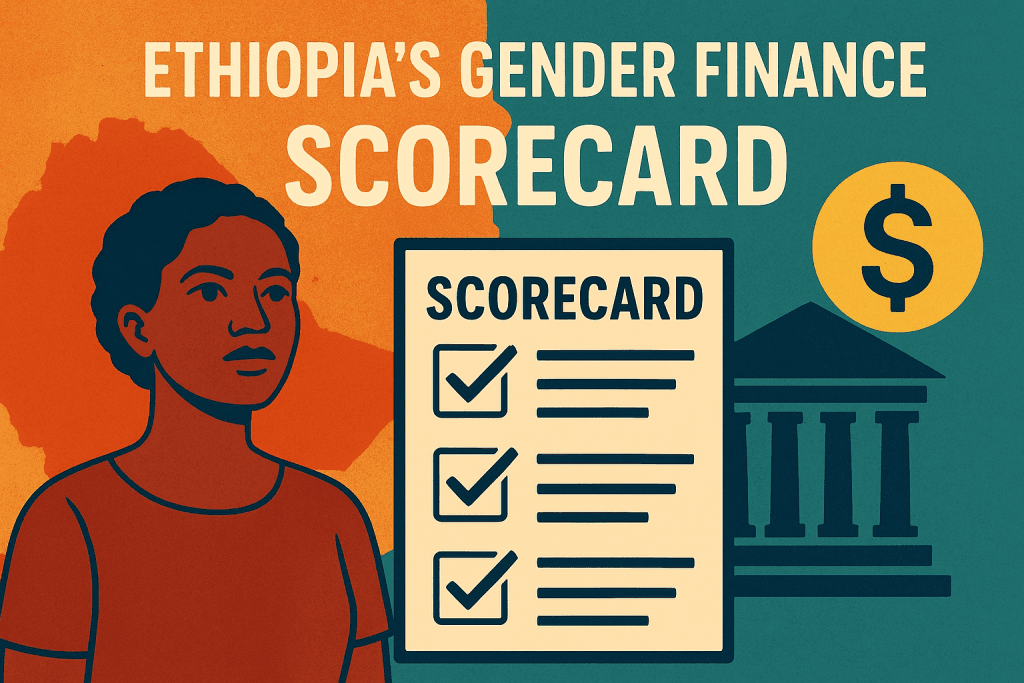
Women in Ethiopia are still struggling to access finance, facing higher rejection rates and smaller loans than men. They are also underrepresented in the fast-growing digital payments sector, where they make up just 22% of users. The National Bank of Ethiopia (NBE), with backing from the World Bank’s Africa Gender Innovation Lab, has rolled out
Ethiopia, the birthplace of Arabica coffee, is raising the stakes in its most prized export industry. A sweeping new regulation, Directive 1106/2025 from the Ethiopian Coffee and Tea Authority (ECTA) has sent shockwaves through the sector by dramatically increasing the minimum capital required for exporters and tightening quality controls. The move is billed as a
Ethiopia has expanded its maritime fleet with the acquisition of six new ships, a move officials say will strengthen the country’s ability to manage critical imports and reduce reliance on foreign carriers. The vessels, procured by state-owned Ethiopian Shipping and Logistics (ESL), include two bulk carriers with a capacity of 62,000 tonnes each, nearly matching
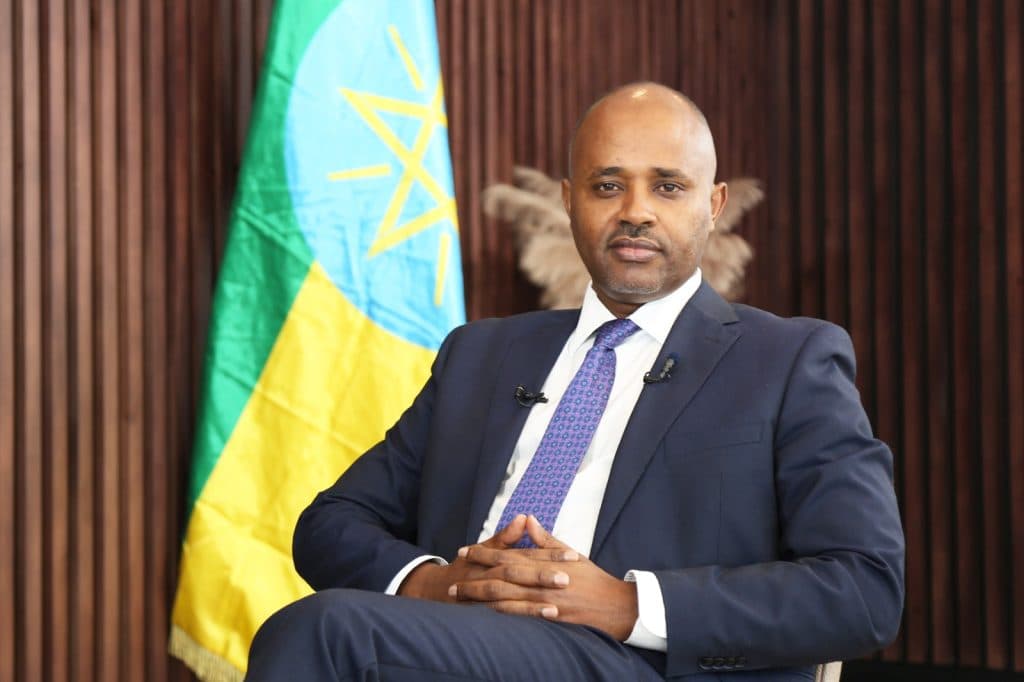
Dr. Eyob Tekalegn has been appointed as the new Governor of the National Bank of Ethiopia, a pivotal move as the nation navigates a challenging economic landscape. The appointment comes as part of a broader leadership reshuffle by Prime Minister Abiy Ahmed, effective September 9. Dr. Eyob, who has been serving as the State Minister
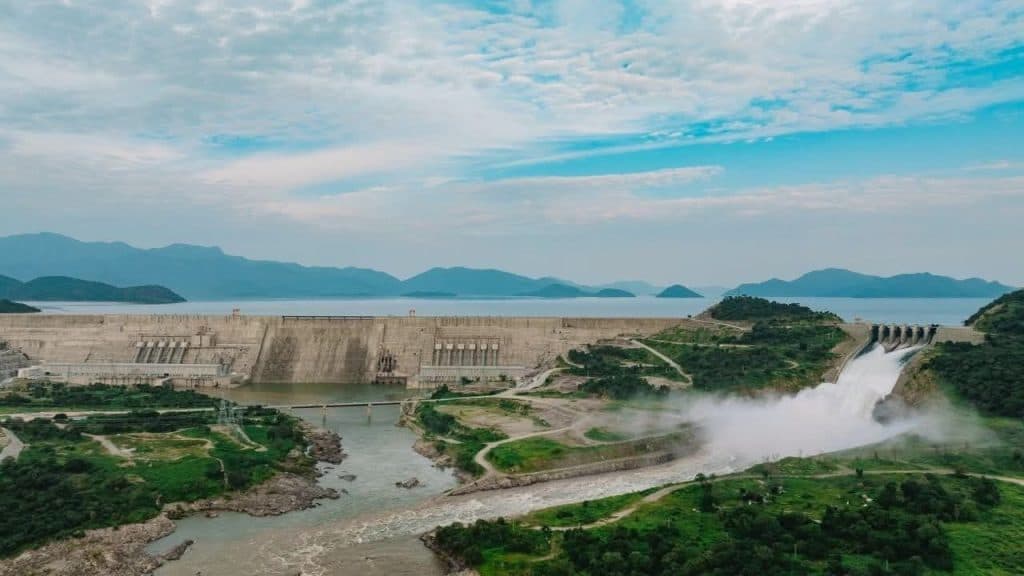
Ethiopia has completed the Grand Ethiopian Renaissance Dam (GERD), the largest hydroelectric project in Africa, financed almost entirely through domestic resources in what is widely regarded as a historic national achievement. According to official figures, the Commercial Bank of Ethiopia (CBE) covered 91 percent of the financing, making it the cornerstone of the project’s funding
Ethiopia’s Treasury Bill (T-Bill) market displayed remarkable strength and resilience during July and August 2025, according to the inaugural Monthly Domestic Debt Bulletin released by the Ministry of Finance’s Debt Management Division. The period was marked by strong issuance activity, overwhelming investor interest, and subscription levels that underscore growing confidence in the government’s domestic debt
Mamo Mihretu, the reformist Governor of the National Bank of Ethiopia (NBE), has stepped down after two and a half years in office. His resignation, announced on Tuesday, came as a surprise to many inside Ethiopia’s financial sector. Mamo said he was leaving public service “to pursue other passions and tackle other challenges.” But his
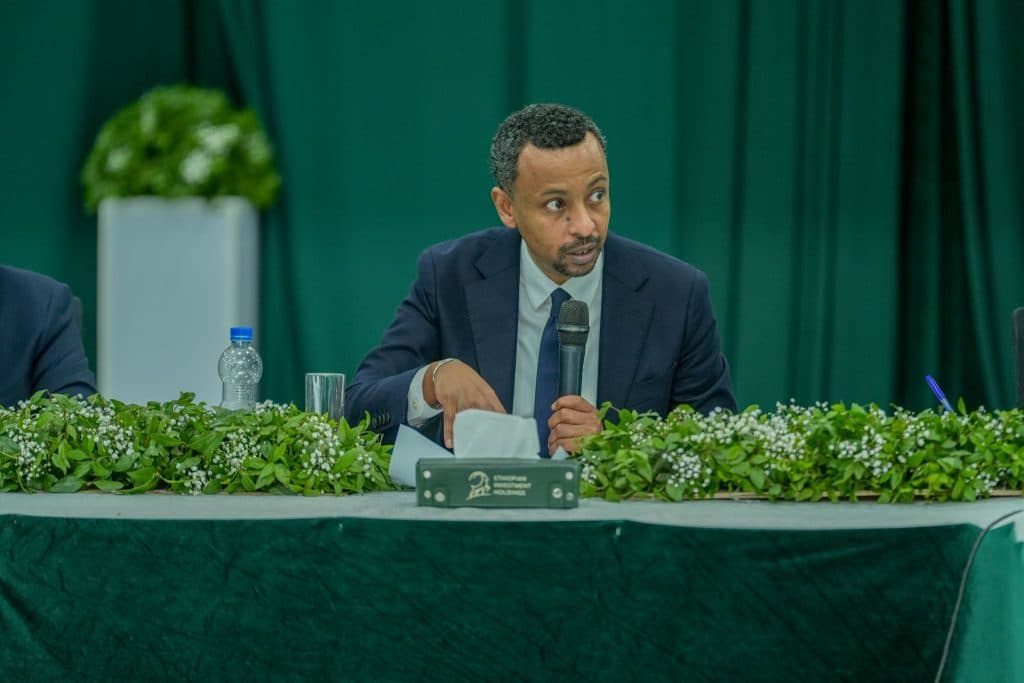
Ethiopian Investment Holdings (EIH), the state’s sovereign investment arm, said its portfolio of state-owned enterprises generated 2.05 trillion birr ($35.7 billion) in revenue during the 2017 financial year, with net profit before tax rising 88% to 262.7 billion birr. Transport and logistics firms, led by Ethiopian Airlines, accounted for the largest share of profit before
On a dusty morning in 2012, Melkam, a schoolteacher from Shashemene, stood in line at a small local bank. She clutched a bundle of worn Ethiopian birr notes, her modest monthly savings. Around her, farmers, students, shopkeepers, and government workers filled the room, each ready to hand over what little they could. They weren’t paying
Ethiopia has finally opened the doors to its long-protected banking sector, and one of Africa’s largest lenders is already knocking. For decades, foreign banks were kept out. Now, recent policy changes allow international players to operate locally—through subsidiaries, branches, or minority stakes in domestic banks. This is more than financial liberalization; it marks a key


 Banking & Finance