


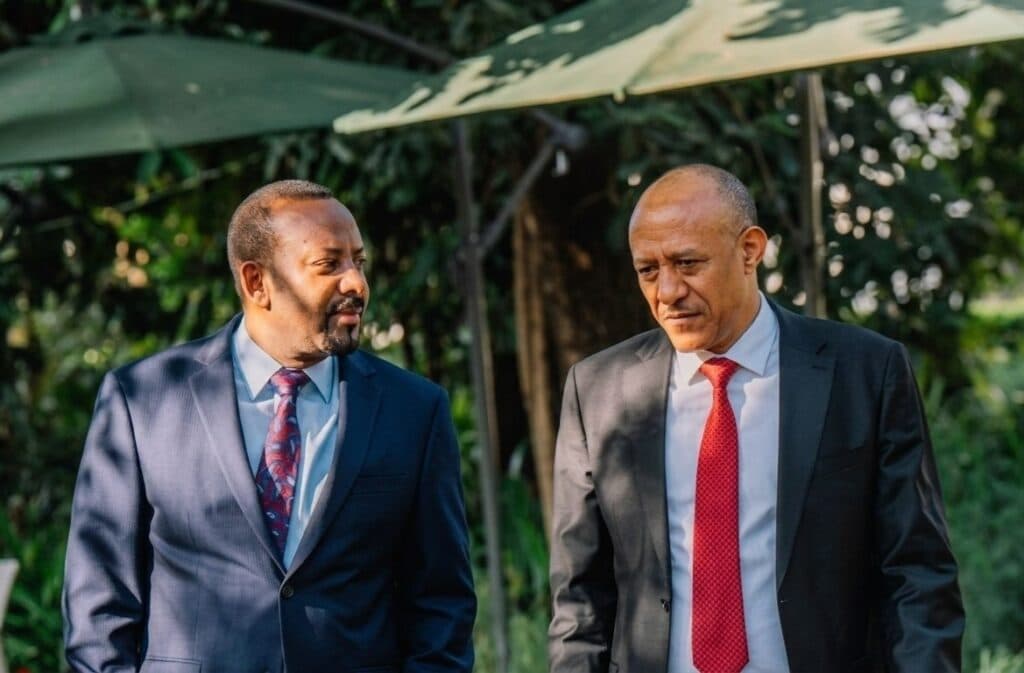
Temesgen Tiruneh will continue as Deputy Prime Minister after the House of Peoples’ Representatives approved Prime Minister Abiy Ahmed’s new Council of Ministers on. The cabinet runs 22 federal ministries, four of them rebranded or reorganised under the new executive structure.
The line-up reshapes the government’s economic team. Fitsum Assefa moves to the Ministry of Finance, Aynalem Nigussie stays at Revenue, and the Ministry of National Strategy goes to Bereket Fesehatsion. Women hold 9 of the 22 ministerial posts, or 41%.
Temesgen, who has served as Deputy Prime Minister since 2024, keeps the government’s second-highest post into the new term.
The economic team
Four ministries now sit at the centre of fiscal and trade policy, and three of them are led by women.
Fitsum Assefa takes over Finance from Ahmed Shide, who had held the portfolio since 2018. She previously led the Ministry of Planning and Development, which gives her direct experience of the government’s development plans as she takes charge of the budget and public debt.
Aynalem Nigussie continues at the Ministry of Revenue, keeping the tax administration under the same leadership as the government pushes to widen the tax base. Yasmin Wohabrebbi heads Trade and Regional Integration, the ministry overseeing Ethiopia’s WTO accession talks and its role in the African Continental Free Trade Area. Bereket Fesehatsion leads the Ministry of National Strategy.
Production and infrastructure
Addisu Arega leads Agriculture, the sector that still employs most of Ethiopia’s workforce. Feseha Yitagsu (PhD) takes Industry, Alemtsehay Pawlos moves to Mines, and Selamawit Kassa heads Culture and Tourism. Sultan Wele leads Irrigation and Lowland.
On infrastructure, Sadat Nesha heads the Ministry of Logistics and Mohammed Abdurahiman takes Urban and Infrastructure. Habtamu Etefa stays at Water and Energy, the portfolio that oversees the Grand Ethiopian Renaissance Dam and power exports. Frehiwot Tamiru leads Innovation and Technology, which covers the digital economy and the Digital Ethiopia strategy.
Social, governance and security
Several senior figures keep their posts. Berhanu Nega stays at Education and Mekdes Daba at Health. Gedion Timothewos continues at Foreign Affairs and Hana Arayaselassie at Justice.
Awelo Abdi takes Labour and Skills, Shewit Shanka leads Women and Social Affairs, and Dr. Aklilu Tadesse heads Youth and Sport. Mohammed Edris becomes Minister of Defence and Musa Adem takes the Ministry of Peace.
What it means for markets
Women lead 9 of the 22 ministries (41%). Women now hold three of the four core economic posts: Finance, Revenue, and Trade and Regional Integration.
For investors, the ministers to watch are those at Finance, Revenue, Trade, Mines and Logistics. Their decisions will shape the fiscal outlook, the tax environment and market access as the Ethiopian Securities Exchange builds its listings.
Full list of appointments
| Portfolio | Minister |
|---|---|
| Deputy Prime Minister | Temesgen Tiruneh |
| Agriculture | Addisu Arega |
| Industry | Feseha Yitagsu (PhD) |
| Trade and Regional Integration | Yasmin Wohabrebbi |
| Mines | Alemtsehay Pawlos |
| Culture and Tourism | Selamawit Kassa |
| Labour and Skills | Awelo Abdi |
| Finance | Fitsum Assefa |
| Revenue | Aynalem Nigussie |
| National Strategy | Bereket Fesehatsion |
| Innovation and Technology | Frehiwot Tamiru |
| Logistics | Sadat Nesha |
| Urban and Infrastructure | Mohammed Abdurahiman |
| Water and Energy | Habtamu Etefa |
| Irrigation and Lowland | Sultan Wele |
| Education | Berhanu Nega |
| Health | Mekdes Daba |
| Women and Social Affairs | Shewit Shanka |
| Youth and Sport | Dr. Aklilu Tadesse |
| Defence | Mohammed Edris |
| Foreign Affairs | Gedion Timothewos |
| Justice | Hana Arayaselassie |
| Peace | Musa Adem |

Comments