


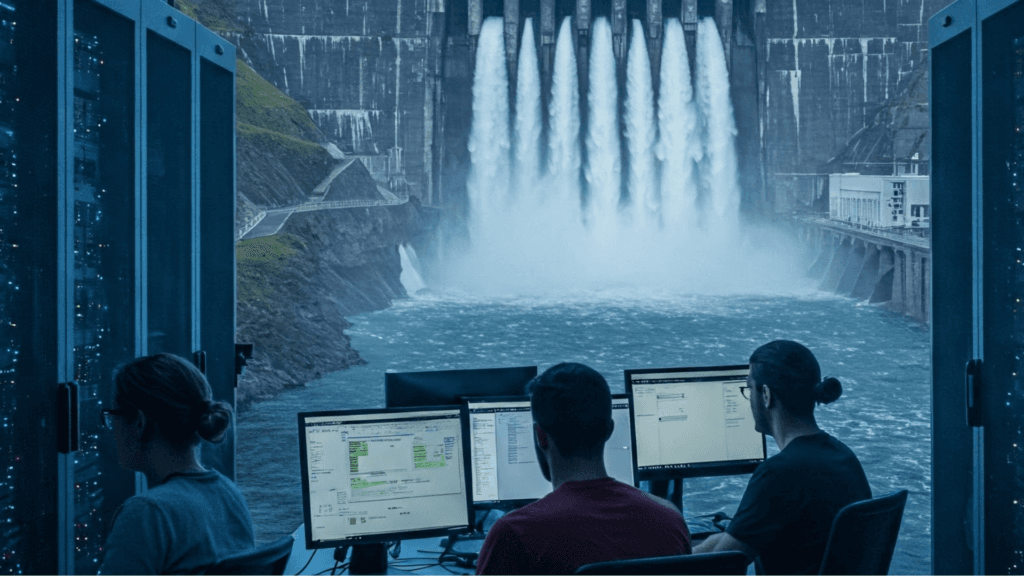
Ethiopia has cut electricity supplied to Bitcoin-mining companies by 75% as declining water inflows into hydropower reservoirs put pressure on the country’s electricity supply.
The reduction was announced as Ethiopian Electric Power (EEP) seeks to prioritize electricity for households and manufacturers amid worsening water shortages.
EEP Chief Executive Officer Ashebir Balcha said water inflows into the country’s hydroelectric reservoirs have fallen by about 20%, prompting the utility to reduce supply to energy-intensive mining operations.
The move comes less than a year after Ethiopia emerged as one of the world’s major destinations for Bitcoin miners, attracted by its relatively low electricity costs and growing generation capacity, including power from the Grand Ethiopian Renaissance Dam.
Bitcoin-mining companies accounted for 35% of EEP’s revenue in the past financial year and consumed almost one-third of Ethiopia’s total electricity production, according to figures cited by Bloomberg.
Ethiopia currently has power-purchase agreements with 39 Bitcoin-mining companies, of which 31 are operational. EEP had committed to supplying at least 98% of the contracted electricity under those agreements.
The scale of the industry’s electricity consumption has increasingly raised questions about how Ethiopia should allocate its limited power supply. Around half of the country’s population still lacks access to electricity.
Mining a single Bitcoin in Ethiopia is estimated to require about 6.4 million kilowatt-hours of electricity. That is roughly equivalent to the annual electricity consumption of 14,950 average Ethiopian households.
Despite its high energy requirements, Ethiopia has attracted miners with electricity costs of around $0.032 per kilowatt-hour, among the factors that have made the country competitive in the global Bitcoin-mining industry.
Power supply under pressure
The latest cuts reflect the vulnerability of Ethiopia’s electricity system to changes in water availability. Hydropower accounts for the overwhelming majority of the country’s electricity generation, making generation levels closely tied to reservoir and river conditions.
EEP plans to reassess the situation in October. If water levels remain under pressure, electricity supplied to Bitcoin miners could be reduced further, while power exports to neighboring countries could also be limited.
The decision puts the government in a balancing act between the foreign-currency and revenue opportunities associated with Bitcoin mining and the need to maintain electricity supplies for households and industries.


Comments