


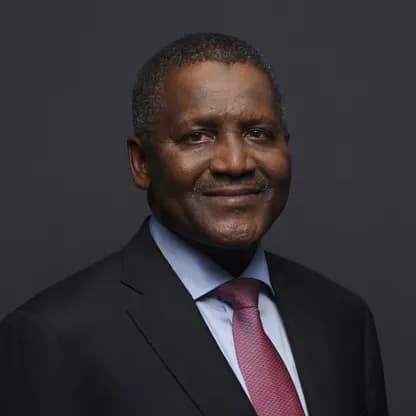
Aliko Dangote visited the construction site of a fertiliser plant in Gode, in Ethiopia’s Somali region, this weekend alongside Prime Minister Abiy Ahmed, and used the occasion to announce a significant expansion of his group’s commitment to the country. The Dangote Group’s total investment in Ethiopia has now risen from $2.5 billion to more than $4 billion, making Ethiopia the second-largest destination for the group’s capital deployment across Africa, behind only Nigeria.
“In total, our declared and signed investments in Ethiopia now exceed $4 billion,” Dangote said during a press briefing in Gode. “
This makes Ethiopia the second-largest recipient of our investments in Africa, accounting for nearly nine percent of our continental outlay between now and 2030.”
The expansion goes well beyond the fertiliser plant itself. The revised investment package includes a 110-kilometre pipeline, a 120-megawatt power plant, a polypropylene packaging facility, and a two-million-tonne NPK blending plant. The centrepiece remains the urea fertiliser facility, which is designed to produce three million metric tonnes annually and is already under active construction at the Gode site. The project is structured as a joint venture between Ethiopian Investment Holdings and Dangote Group, with Ethiopia holding a 40 percent stake and Dangote 60 percent.
The gas supply for the project was secured in March 2026 through a 25-year agreement with China’s GCL Group, drawing from the Calub fields in the Ogaden Basin. That deal, valued at approximately $4.2 billion over its life, was the energy infrastructure that made the industrial scale of the fertiliser complex viable.
Dangote framed the investment in terms of a continent-wide problem he believes private capital can solve.
“Africa holds immense agricultural potential, yet continues to grapple with food insecurity due to limited access to fertiliser,”
he said.
“Africa has the capacity to feed itself and even export to the rest of the world. Our fertiliser investments across the continent are designed to unlock that potential and secure a prosperous future for our people.”
Prime Minister Abiy Ahmed received Dangote personally and accompanied him through the construction site. In remarks after the visit, Ahmed described the project as central to Ethiopia’s agricultural transformation agenda, saying it would reduce the country’s dependence on imported fertiliser, create jobs, and strengthen the industrial value chain. Ethiopia currently imports the vast majority of the fertiliser its farmers use, a structural cost that suppresses productivity and drains foreign exchange.
“This type of large-scale investment demonstrates the power of strong collaboration between government and the private sector,”
Ahmed said.
“Expanding such partnerships will accelerate economic growth, attract further investment, and improve the livelihoods of our people.”
Dangote returned the assessment, saying Ahmed’s development agenda was advancing faster than many observers expected but that the pace of progress required private sector capital to match it.
The Gode site visit came days after Dangote appeared at the Africa CEO Forum in Nairobi, where the broader conversation about African industrial investment and domestic capital deployment was front and centre. The Ethiopia fertiliser project is the most concrete example of the kind of patient, at-scale industrial bet that forum was debating in theory.
Source: Reuters, Dangote Group
Comments