


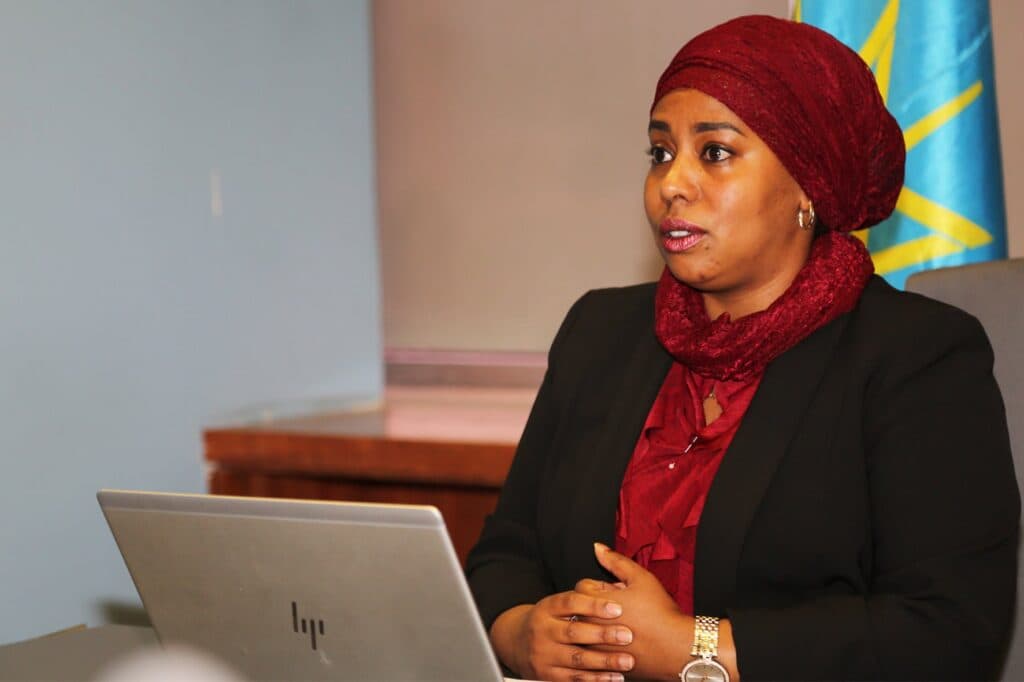
Ethiopia earned USD 572.9 million from pulses and oilseeds exports in the 2025/26 fiscal year, Minister of Trade and Regional Integration Yasmin Wohabrebbi announced on 24 November 2026. That is roughly five percent of the country’s USD 11.2 billion in total export earnings for the year.
The minister shared the figure at the opening of the 15th International Conference on Pulses and Oilseeds (ICOPOS 2026) in Addis Ababa, a two-day gathering of producers, exporters, international buyers, financiers, officials and diplomats held at the Science Museum under the theme “Resilient Trade and Sustainable Value Chains.”
Pulses and oilseeds at a glance · 2025/26
Export earnings
$572.9M
From pulses and oilseeds
Share of total exports
~5%
of $11.2B
ICOPOS 2026
600+
expected participants from 17 countries
AfCFTA market
1.4B+
people; Ethiopia trading since Oct 2025
Why the sector matters
Yasmin pointed to Ethiopia’s varied agro-ecological zones and favourable climate as natural advantages for growing pulses and oilseeds. She said the quality of Ethiopian produce gives it appeal abroad, and that the sector supports not only export revenue but also jobs and incomes in rural communities.
The reforms behind the push
The minister linked the sector’s prospects to the government’s wider reform agenda, including:
- Foreign exchange reform and the opening of trade, investment and the financial sector to foreign participants
- A bigger role for the private sector
- Digital trade services and modernised business licensing and renewal
- Stronger quality assurance and export promotion
She also stressed the need to raise farm productivity, improve product quality, expand processing capacity and guarantee traceability from farm to export.
AfCFTA and the WTO
On market access, Yasmin reaffirmed Ethiopia’s commitment to the African Continental Free Trade Area, a market of more than 1.4 billion people. Ethiopia began trading goods under the agreement in October 2025. She added that the country’s negotiations to join the World Trade Organization are now in their final stage, describing accession as part of a broader effort to make Ethiopian goods more competitive globally.
Where investors are invited
The minister urged international buyers and investors to look at opportunities along the pulses and oilseeds value chain, naming contract farming, produce aggregation, warehousing, edible oil and food processing, and packaging.
Exporters told to read the market better
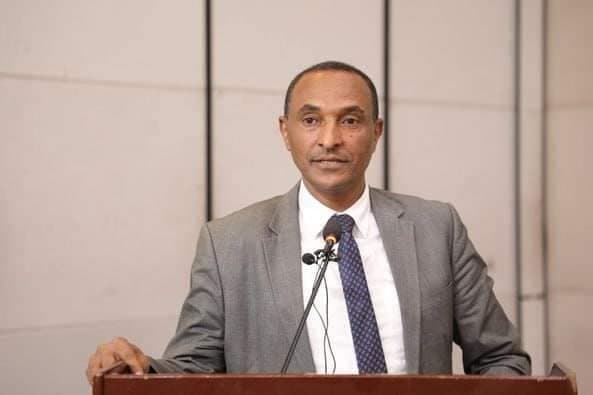
Edeo Abdi, President of the Ethiopian Pulses, Oilseeds and Spices Processors-Exporters Association, said more than 600 participants from 17 countries were expected at the conference. He called on Ethiopian exporters to get better at anticipating international demand, following market trends and marketing their products, and said closer information sharing between buyers and sellers is essential.
Over its two days, the conference aims to build trade partnerships and work through the sector’s recurring challenges, from logistics and quality assurance to traceability, access to finance and technology transfer.
Source: FMC report, 24 November 2026.


Comments