


Sunday, April 12, 2026
Jobs
  • Login
  • Register
StockMarket.et
Weekly Newsletter
  • News
    • Stock News
    • Business
    • Economy
  • Capital Market
    • Learn Stock Market
  • Crypto
    • Crypto News
    • Learn Crypto
    • Crypto Glossary
  • Tech
  • Regulation
  • Birr FX Rate
  • Publications
  • Tools
    • Stock Market Data
    • Birr FX Rate
  • Biritu l ብሪቱ
  • Data Hub
No Result
View All Result
  • News
    • Stock News
    • Business
    • Economy
  • Capital Market
    • Learn Stock Market
  • Crypto
    • Crypto News
    • Learn Crypto
    • Crypto Glossary
  • Tech
  • Regulation
  • Birr FX Rate
  • Publications
  • Tools
    • Stock Market Data
    • Birr FX Rate
  • Biritu l ብሪቱ
  • Data Hub
No Result
View All Result
StockMarket.et
No Result
View All Result

Lessons from the Early Stages of Capital Market Development

Yesuf Hadji by Yesuf Hadji
January 10, 2025
in Stock Market, Stock News
Reading Time: 5 mins read
7
A A
0
Lessons from the Early Stages of Capital Market Development
AI is thinking...

Ethiopia stands on the cusp of a transformative economic journey with the inauguration of its capital market. This milestone not only symbolizes a new chapter in the country’s financial evolution but also presents an opportunity to learn from nations that have walked this path before. From the bustling trading floors of India’s Bombay Stock Exchange to the gradual inclusivity of Kenya’s Nairobi Securities Exchange and the sophistication of Morocco’s Casablanca Stock Exchange, the stories of these nations offer invaluable lessons for Ethiopia’s fledgling market.

India: The Pioneer of Capital Markets in Asia

Imagine India in the late 19th century, a land buzzing with the opportunities of industrial growth under colonial rule. It was during this time, in 1875, that the Bombay Stock Exchange (BSE) was established. As the oldest stock exchange in Asia, the BSE’s journey is a tale of resilience and adaptation.

Related articles

Ethiopia’s Pension Funds Move From Safety to Strategy in Market Shift

Ethiopia’s Pension Funds Move From Safety to Strategy in Market Shift

March 24, 2026
Awash bank

Awash Bank Registers 54 Million Shares with Capital Market Authority

March 17, 2026
ESX Launches “Neway” Mobile Trading App to Expand Access to Ethiopia’s Capital Market

ESX Launches “Neway” Mobile Trading App to Expand Access to Ethiopia’s Capital Market

March 23, 2026
Monday Breakfast Stories: Capital Markets Unlocked

Ethiopia’s Interbank Market Crosses 2 Trillion Birr: The Quiet System Powering Financial Reform

March 5, 2026
Load More

Initially, the market was a playground for a small group of wealthy traders and speculators. Events like the American Civil War (1861–1865) drove speculative booms, particularly in cotton trading, only to be followed by devastating crashes. Despite these early challenges, India’s capital market gradually matured. Reforms were introduced to protect investors, improve transparency, and formalize trading practices, laying the groundwork for what would become one of the world’s largest and most dynamic markets.

Transparency and strong regulations are non-negotiable. By addressing skepticism and preventing speculative excesses, Ethiopia can foster trust in its nascent market. Moreover, public education campaigns can demystify the capital market and encourage broader participation.

Kenya: A Journey Toward Inclusivity
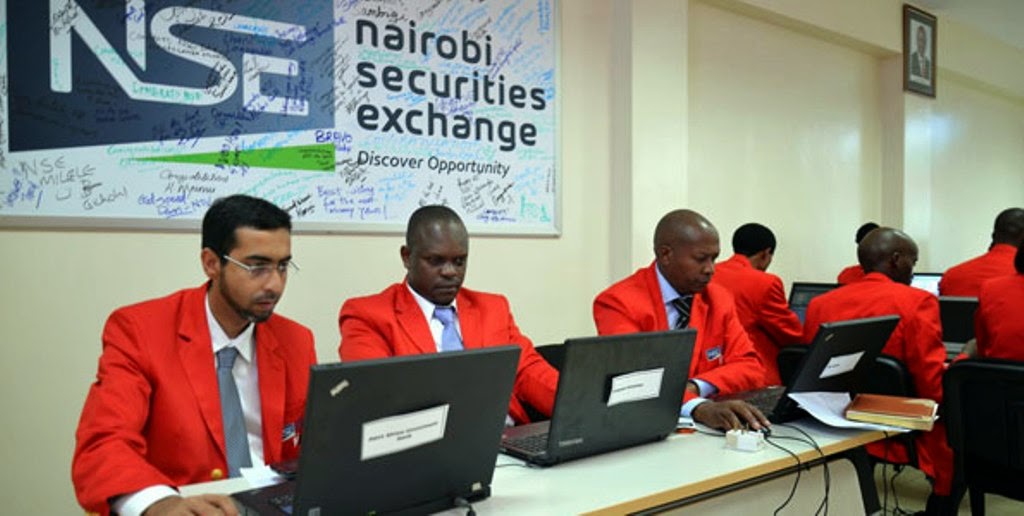
Fast forward to 1954, in colonial Kenya, where the Nairobi Securities Exchange (NSE) was established. Initially, it was an exclusive club for British settlers and wealthy expatriates, with indigenous Kenyans largely excluded from participation. However, independence in 1963 marked the beginning of a new era.

The Kenyan government embarked on a mission to “Africanize” its economy. This included privatizing state-owned enterprises in the 1980s and 1990s, opening up the stock market to ordinary Kenyans. The establishment of the Capital Markets Authority (CMA) in 1989 was a pivotal moment, providing a regulatory framework to ensure transparency and investor protection. The introduction of electronic trading in 2006 further modernized the NSE, making it more efficient and accessible.

Inclusivity should be at the heart of Ethiopia’s capital market strategy. Encouraging participation from diverse demographics—including rural populations and small investors—will ensure the market serves as a tool for wealth creation and economic empowerment. Privatization of state-owned enterprises can serve as a powerful catalyst for public engagement.

Morocco: A Model of Sophistication

Across the Mediterranean, the Casablanca Stock Exchange (CSE) tells a story of transformation. Established in 1929 under French colonial rule, the CSE initially catered to foreign businesses and settlers. However, post-independence Morocco embarked on an ambitious journey to integrate its capital market into the nation’s economic framework.

The 1990s were a turning point. Reforms modernized the CSE, including the establishment of the Conseil Déontologique des Valeurs Mobilières (CDVM) and the adoption of electronic trading systems. These changes enhanced efficiency, reduced costs, and attracted a broader investor base. Today, the CSE stands as one of Africa’s largest stock exchanges, offering a diverse range of financial instruments, from equities to exchange-traded funds (ETFs).

Early adoption of technology and a commitment to market diversification can position Ethiopia as a competitive player in regional markets. Providing a variety of investment options—such as bonds, mutual funds, and ETFs—can attract both retail and institutional investors.

At the heart of any successful capital market is a robust regulatory framework. India’s Securities and Exchange Board (SEBI), Kenya’s Capital Markets Authority (CMA), and Morocco’s Autorité Marocaine du Marché des Capitaux (AMMC) stand as testaments to the importance of independent, transparent oversight. For Ethiopia, creating a similar regulatory body will be a foundational step. Clear rules, rigorous enforcement, and strong investor protections will inspire confidence among both local and international investors, ensuring credibility and stability from the outset.

For Ethiopia’s capital market to flourish, financial literacy must become a national priority as well. Many Ethiopians are unfamiliar with the opportunities and risks of investing, highlighting the need for widespread educational campaigns. Partnerships with schools, universities, and community organizations can embed financial knowledge into the fabric of society. Teaching younger generations about savings, investments, and risk management will not only empower individuals but also lay the groundwork for sustained market participation in the years to come.

Modern technology has revolutionized capital markets worldwide, and Ethiopia has an opportunity to leapfrog traditional challenges by adopting cutting-edge solutions. Electronic trading platforms can enhance transparency, streamline processes, and reduce transaction costs, making the market more accessible to tech-savvy young investors. By leveraging technology from the outset, Ethiopia can position itself as a forward-looking market that attracts both domestic and global participants.

A truly successful capital market is one that leaves no one behind. Ethiopia must prioritize inclusivity, designing policies that bring women, youth, and rural populations into the fold. The privatization of state-owned enterprises presents an opportunity to democratize access, allowing first-time investors to own a stake in the country’s economic growth. Ensuring fair access and representation will not only strengthen the market but also promote social cohesion.

Rome wasn’t built in a day, and neither are successful capital markets.

Ethiopia should also adopt a phased approach, starting with simpler instruments like government bonds and equities. This gradual development will help market participants build confidence, gain experience, and establish a solid foundation before venturing into more complex financial products. A steady pace ensures long-term stability and minimizes risks that could undermine early progress.

Ethiopia’s strategic location in the Horn of Africa provides a unique opportunity for regional integration. By collaborating with neighboring countries, Ethiopia can attract cross-border investments and position itself as a regional financial hub. Building strong partnerships within the region will amplify the capital market’s potential, fostering economic growth and shared development across borders.


Tags: Capital MarketEthiopian Capital MarketEthiopian Securities Exchange
Tweet6ShareShare2Share10
Yesuf Hadji

Yesuf Hadji

As Editor-in-Chief, I am passionate about crafting impactful narratives, leading creative teams, and delivering insightful content. With experience in developing strategies that engage diverse audiences, I aim to drive meaningful conversations and inspire innovation.

Related Posts

Ethiopia’s Pension Funds Move From Safety to Strategy in Market Shift
Capital Market

Ethiopia’s Pension Funds Move From Safety to Strategy in Market Shift

by StockMarket.et
March 24, 2026
0

Ethiopia’s pension funds are approaching a pivotal shift, but this time the story is more nuanced than simply “low returns...

Awash bank
Capital Market

Awash Bank Registers 54 Million Shares with Capital Market Authority

by StockMarket.et
March 17, 2026
0

Ethiopian Capital Market Authority has officially approved the registration of securities for Awash Bank S.C., marking another step forward in...

ESX Launches “Neway” Mobile Trading App to Expand Access to Ethiopia’s Capital Market

ESX Launches “Neway” Mobile Trading App to Expand Access to Ethiopia’s Capital Market

March 23, 2026
Monday Breakfast Stories: Capital Markets Unlocked

Ethiopia’s Interbank Market Crosses 2 Trillion Birr: The Quiet System Powering Financial Reform

March 5, 2026
Rahel Kassa Appointed Deputy Director General of Ethiopian Capital Market Authority

Rahel Kassa Appointed Deputy Director General of Ethiopian Capital Market Authority

February 27, 2026
AI Disrupts $100B Legacy Code Market, Sending IBM Down 13%

AI Disrupts $100B Legacy Code Market, Sending IBM Down 13%

February 24, 2026
Load More
  • Trending
  • Comments
  • Latest
Ethiopia Revokes Licenses of All Sports Betting Companies

Ethiopia Revokes Licenses of All Sports Betting Companies

December 15, 2025
Ethiopian Federal Police Charges Fintech Investment plc Founders in 1.7 Billion Birr Fraud Case

Ethiopian Federal Police Charges Fintech Investment plc Founders in 1.7 Billion Birr Fraud Case

March 28, 2026
EIH Deputy CEOs on Ethiopian digital lottery inauguration

Ethiopia Launches Its First-Ever Digital Lottery

April 13, 2025
AliExpress Set to Enter Ethiopian Market, Signaling Major Shift in E-Commerce

AliExpress Set to Enter Ethiopian Market, Signaling Major Shift in E-Commerce

August 8, 2024
Ports, Land-Lock, and Logistics: Ethiopia’s Strategic Maritime Dilemma

Ports, Land-Lock, and Logistics: Ethiopia’s Strategic Maritime Dilemma

1
Ethiopia’s Capital Market Authority (ECMA) Launches Three Draft Directives to Strengthen Regulation of Capital Markets

Ethiopia’s Capital Market Authority (ECMA) Launches Three Draft Directives to Strengthen Regulation of Capital Markets

0
Ethiopia Enacts Proclamation to Establish Capital Markets System, Paving the Way for Economic Growth

Ethiopia Enacts Proclamation to Establish Capital Markets System, Paving the Way for Economic Growth

0
What is Cryptocurrency?

What is Cryptocurrency?

0
The Data Problem: Why No One Really Knows What’s Happening

The Data Problem: Why No One Really Knows What’s Happening

April 9, 2026
New Player Destta Targets Informal Remittance Market with Transparent Transfers

New Player Destta Targets Informal Remittance Market with Transparent Transfers

April 9, 2026
Mastercard Deepens Ethiopia Push as StarPay and Choice Microfinance Seal Strategic Digital Finance Deals

Mastercard Deepens Ethiopia Push as StarPay and Choice Microfinance Seal Strategic Digital Finance Deals

April 8, 2026
Ethiopian Investment Holdings Logo

$720M Boost: Ethiopia’s SOE Reforms Shift from Risk Control to Growth Engine, Says World Bank

April 8, 2026

Empower individuals with the knowledge and tools necessary for successful participation in the Ethiopian Capital Market.

NEWS

  • Markets
  • Business
  • Economy
  • Tech

IN DEPTH

  • Magazine
  • Interview
  • Opinion

EXPLORE

  • Data Hub
  • Biritu I ብሪቱ
  • Newsletter
  • Birr FX rate

Mobile Apps 

StockMarket Weekly

Stockmarket.et covers economy, business, finance and capital market. 

Haile Kenenisa
Haile Kenenisa@example.com
  • About Us
  • Privacy Policy
  • Terms & Conditions
  • Disclaimer
  • Contact Us

© 2026 StockMarket.et by PiSpace

Welcome Back!

Sign In with Google
OR

Login to your account below

Forgotten Password? Sign Up

Create New Account!

Sign Up with Google
OR

Fill the forms bellow to register

*By registering into our website, you agree to the Terms & Conditions and Privacy Policy.
All fields are required. Log In

Retrieve your password

Please enter your username or email address to reset your password.

Log In
  • Login
  • Sign Up
Forgot Password?
Lost your password? Please enter your username or email address. You will receive a link to create a new password via email.
body::-webkit-scrollbar { width: 7px; } body::-webkit-scrollbar-track { border-radius: 10px; background: #f0f0f0; } body::-webkit-scrollbar-thumb { border-radius: 50px; background: #dfdbdb }
No Result
View All Result
  • News
    • Stock News
    • Finance
    • Crypto News
    • Regulation
  • Learn
    • Learn Stock Market
    • Learn Crypto
    • Crypto Glossary
  • Market Data
    • Stock Market Data
  • Business
  • Publications
  • Data Hub
  • Birr FX Rate
  • Biritu l ብሪቱ
  • Jobs
  • Contact Us
  • Login
  • Sign Up

© 2025 StockMarket.et by PiSpace.

Weekly Newsletter
This website uses cookies. By continuing to use this website you are giving consent to cookies being used. Visit our Terms & Conditions and Privacy Policy.