


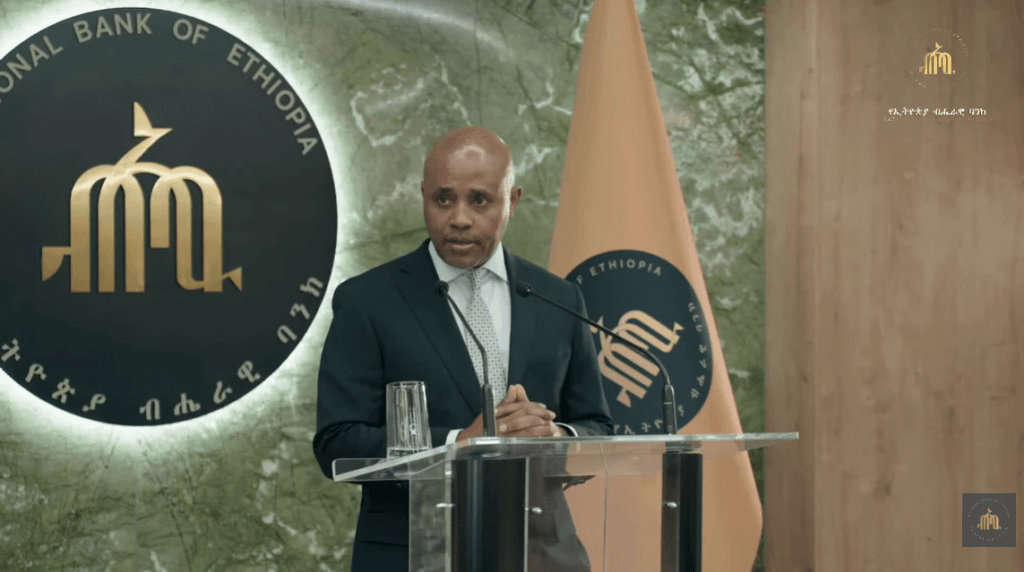
The National Bank of Ethiopia (NBE) says inflation will stay in double digits for at least the next six months. Annual inflation stood at 14.9% in September 2026, and the bank expects it to ease gradually without falling back to single digits.
The outlook came in a statement released today after the eighth meeting of the bank’s Monetary Policy Committee (MPC). The committee described 14.9% as high relative to the NBE’s single-digit target.
Non-food prices drive the pressure
Inflation has come down from its earlier highs, but the mix of price pressure is shifting. Food inflation eased slightly, from 15.1% in June 2026 to 14.8%. Non-food inflation rose sharply over the same period, from 12.2% to 15.1%.
The NBE attributed the non-food jump mainly to higher electricity tariffs and rising kerosene and transport fuel prices. On the food side, cereals, vegetables and fruits, and coffee kept prices elevated.
The committee linked the current inflation mainly to cost-push and supply pressures stemming from the war in the Middle East. It warned that higher global energy prices could raise import, production and transport costs for oil-importing economies like Ethiopia. How much this adds to domestic prices, it said, will depend on how long the energy supply disruption lasts.
Policy rate held at 16%
With inflation still above target, the MPC decided to keep monetary policy tight. The NBE policy rate stays at 16%, with the ±3 percentage-point band unchanged.
The committee also said the NBE will continue applying targeted reserve requirements based on each bank’s loan-to-deposit ratio where credit growth threatens to fuel inflation. It will keep using open market operations to absorb excess liquidity in the banking system.
Strong money growth
Monetary aggregates continue to expand rapidly. Base money grew 87.2% year-on-year at the end of Meskerem 2019, up from 72.6% a year earlier. Broad money growth accelerated to 40.2% from 33.2%, outpacing nominal GDP growth.
The NBE noted that money growth is now driven mainly by the accumulation of foreign reserves rather than domestic credit, as was the case before. On the fiscal side, the government took no direct borrowing from the central bank in the first quarter, and NBE lending to the government has now been halted for more than 27 months. The committee said this is helping to support price stability.



Comments