Ethiopia’s banks and insurance firms are locked in a tax dispute over whether dividends used to pay off unpaid subscribed capital should be taxed. Around 25 financial institutions have already paid half of the 5.7 billion Br demanded by tax authorities to appeal the case, fearing decisions against them could weaken their ability to raise
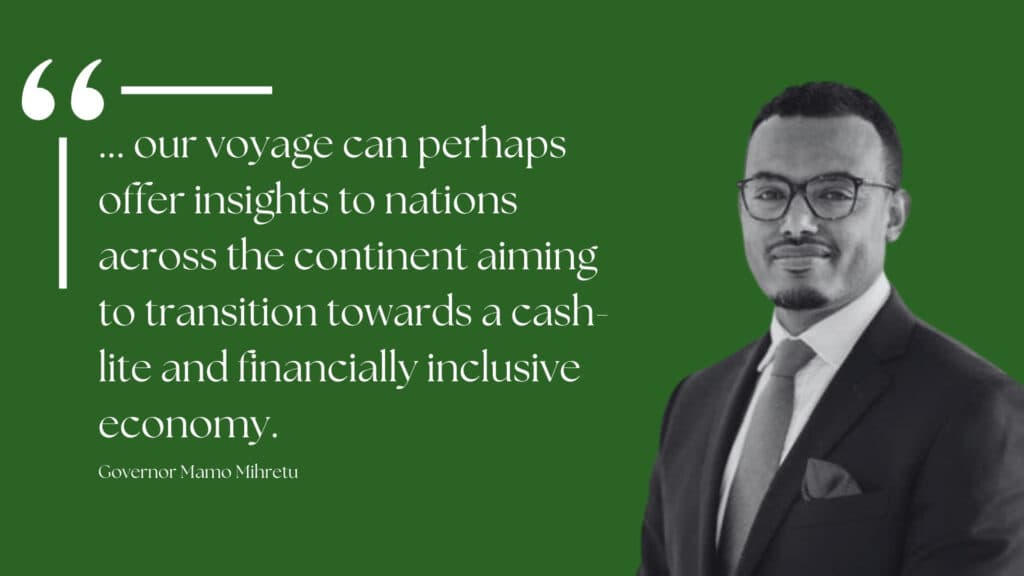
Ethiopia is undergoing a remarkable transformation in its payment system, driven by a commitment to building a more digital and inclusive economy. Spearheaded by the National Bank of Ethiopia, this journey has been marked by strategic initiatives, regulatory reforms, and the embrace of innovative technologies. The Beginning (2011-2014) The story began in 2011 with the
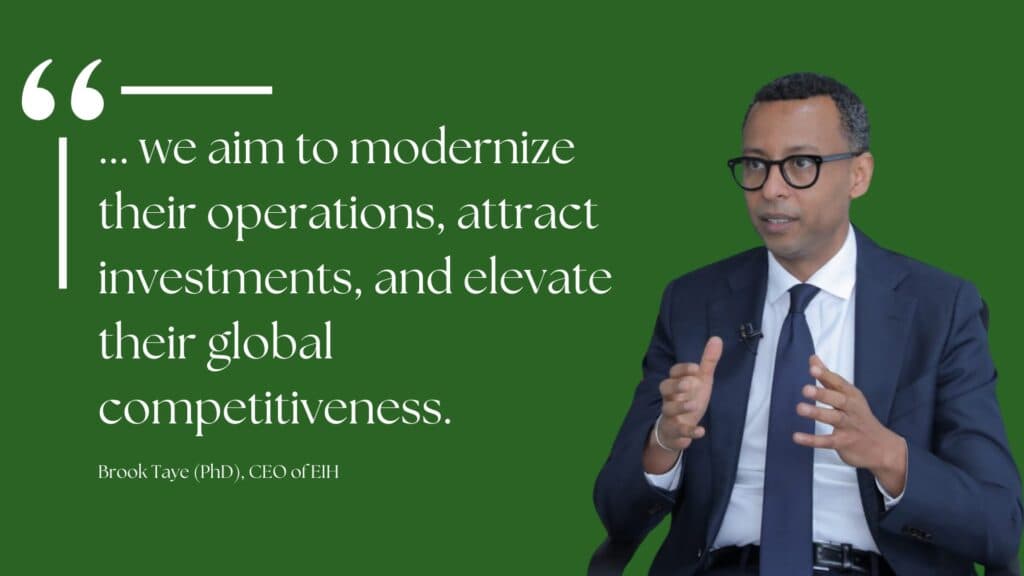
Ethiopian Investment Holdings (EIH) has announced the expansion of its portfolio with the addition of eight prominent State-Owned Enterprises (SOEs). This milestone follows the decision of the EIH Board of Directors, in accordance with Council of Ministers Regulation No. 487/2022, Article 8. The transfer of ownership from the Public Enterprises Holding and Administration portfolio to
The National Bank of Ethiopia (NBE) released its second annual Financial Stability Report in November 2024, providing a comprehensive assessment of the country’s financial health up to June 2024, with additional updates through September 2024. This report builds on the findings of the April 2024 report, highlighting key developments in Ethiopia’s financial system amidst ongoing
The International Monetary Fund (IMF) staff and Ethiopian authorities have reached a staff-level agreement on economic policies to conclude the second review of Ethiopia’s four-year, $3.4 billion Extended Credit Facility (ECF) arrangement. Upon formal approval by the IMF Executive Board, Ethiopia will gain access to approximately $251 million in financing. Ethiopia’s homegrown economic reform agenda,
In its 40th regular session, Ethiopia’s Council of Ministers approved a supplementary budget of 581.98 billion birr to address additional fiscal needs and cost adjustments for the 2024/25 fiscal year. This decision, reached unanimously after detailed deliberation, has been referred to the House of Peoples’ Representatives for final approval. The supplementary budget aims to support
The International Monetary Fund (IMF) Executive Board has completed the first review of Ethiopia’s economic program under the Extended Credit Facility (ECF), approving an immediate disbursement of approximately $340.7 million. This installment is part of a broader $3.4 billion arrangement over 48 months, approved in July 2024, which aims to support Ethiopia’s ambitious reform agenda
In an upcoming release, the International Monetary Fund (IMF) is set to publish the first evaluation report on Ethiopia’s macroeconomic reform initiative, providing insight into the progress of the country’s efforts. The IMF highlighted that Ethiopian authorities should remain vigilant in addressing potential challenges within the foreign exchange market. Alvaro Piris Chavarri, IMF Mission Chief
Ethiopia is at a pivotal moment in its economic development, with digitalization emerging as a critical driver for inclusive growth and transformation. As the country works to diversify its economic activities and foster equitable benefits distribution, mobile telecommunications and mobile money services have become central to this vision. A recent report by GSMA titled “Driving
The International Monetary Fund (IMF) announced the successful completion of the first review of Ethiopia’s 48-month Extended Credit Facility (ECF) arrangement. This milestone enables an immediate disbursement of approximately US$340.7 million (SDR 255.6 million) to support Ethiopia’s balance of payments needs and ongoing economic reforms. The ECF arrangement, approved by the IMF Executive Board on
The National Bank of Ethiopia (NBE) has issued a revised policy concerning the treatment of foreign exchange (FX) trading spreads and related fees. This update, effective as of October 16, 2024, introduces changes to how banks manage and disclose the differences between FX buying and selling rates, as well as the fees and commissions associated
A new bill aimed at regulating Ethiopia’s real estate sector has been submitted to the House of People’s Representatives for review. The legislation seeks to address longstanding issues within the industry, particularly concerning the pre-sale of homes and the collection of advance payments before construction has begun. The proposed law introduces stricter guidelines for real


 Banking & Finance