Ethiopia is quietly charging up its role as East Africa’s power bank. In the just-ended 2024/25 fiscal year, Ethiopian Electric Power (EEP) raked in a solid $118.1 million by exporting electricity to its neighbors — Kenya, Djibouti, Sudan, and for the first time, Tanzania. The numbers reveal a bigger story: Ethiopia isn’t just keeping the
The National Bank of Ethiopia (NBE) has issued a stern warning to the Ethiopian diaspora regarding the use of unlicensed money transfer service providers operating outside the country, particularly in the United States. In a press release published today, the central bank urged all members of the Ethiopian community abroad to send funds only through
In a historic move to transform the country’s agricultural financing landscape, Ethiopia has officially launched the National Agri-Finance Implementation Roadmap (NAFIR) 2025–2030. The roadmap, a joint initiative by the National Bank of Ethiopia (NBE) and the Ministry of Agriculture (MoA), is set to unlock access to credit for smallholder farmers and strengthen financial inclusion in
In a significant move aimed at easing foreign exchange shortages, the Commercial Bank of Ethiopia (CBE) has approved $121 million in FX requests from the private sector—covering 505 cases, or 81% of total applications submitted in a single day, July 22, 2025. This latest allocation signals the government’s intention to respond to mounting pressure from
One year after launching a sweeping package of macroeconomic reforms, the National Bank of Ethiopia (NBE) says the country is on a promising path to restoring stability, boosting foreign exchange inflows, and modernizing its financial sector. The National Bank of Ethiopia marked the anniversary Tuesday by releasing a detailed review of milestones achieved so far,
During the Great Recession, while people were losing jobs, tightening budgets, and canceling weekend plans, one small thing kept flying off shelves: lipstick. Not groceries, not rent, not fuel, but lipstick. In a time when people were cutting back on big expenses and even many small ones, younger women (aged 18–40) in the U.S. were
Remember when Ethiopia’s FX parallel market premium nearly vanished last year? That moment of relief didn’t last. Fast-forward to May 2025, and the spread is back—widened to around 17%, despite some of the country’s boldest financial reforms in recent memory. Let’s rewind. In July 2024, Ethiopia pulled the trigger on a long-awaited reform: adopting a
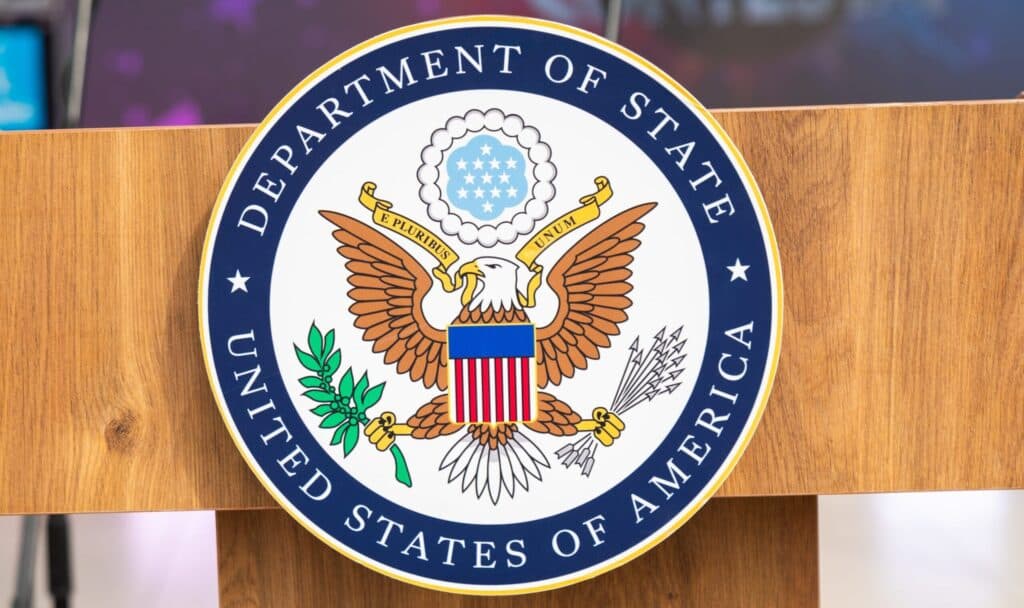
The United States has confirmed that it will maintain its humanitarian and development aid to Ethiopia, but under a newly restructured framework where the U.S. State Department will now oversee USAID operations directly. According to a statement from the U.S. Embassy in Addis Ababa, the change, effective July 1, 2025, is part of a broader
The Government of the Federal Democratic Republic of Ethiopia and the World Bank have signed a significant USD 1 billion Financing Agreement under the Second Sustainable and Inclusive Growth Development Policy Operation (DPO). The financing, composed of a grant and a concessional loan, is aimed at supporting Ethiopia’s ongoing economic reform agenda and promoting inclusive
Ethiopia’s bold economic reforms have won another vote of confidence from the International Monetary Fund (IMF), which on July 2, 2025, approved a fresh disbursement of US$262.3 million (SDR 191.7 million). This decision comes as the IMF Executive Board completed its third review of Ethiopia’s 48-month Extended Credit Facility (ECF) arrangement and concluded the country’s
In a major step toward stabilizing its public finances, the Ethiopian government has finalized a Memorandum of Understanding (MoU) with its Official Creditor Committee (OCC) under the G20 Common Framework, securing debt relief exceeding USD 3.5 billion. The agreement formalizes a deal reached in principle back in March 2025 and marks the successful end of
The Monetary Policy Committee (MPC) of the National Bank of Ethiopia (NBE) held its third meeting on June 23, 2017, to review the country’s economic outlook and set monetary policy directions. The Committee, responsible for ensuring price stability and guiding Ethiopia’s financial system, analyzed recent trends in inflation, economic growth, financial markets, fiscal policy, and


 Business