


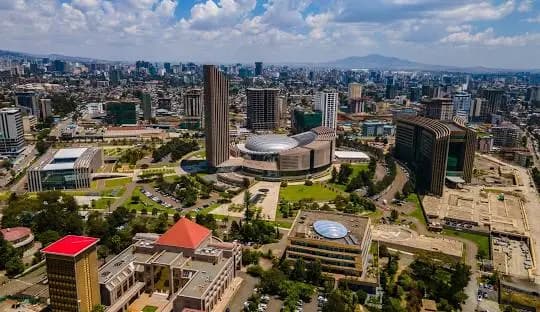
Ethiopia aims to complete its debt-restructuring process under the Group of 20 Common Framework by mid-2026, Finance Minister Ahmed Shide announced on Friday during a briefing in Addis Ababa.
According to the minister, the government is making “significant progress” in securing agreements with official creditors and continues to engage private lenders as part of a broader effort to overhaul the country’s external debt. Ethiopia first requested debt treatment under the G20 mechanism in January 2021.
Under this framework, official bilateral creditors must agree on relief terms before private creditors are offered comparable arrangements. In July, Ethiopia reached a memorandum of understanding with members of the Official Creditor Committee (OCC)—including China and France—to restructure $3.5 billion in loans.
“We’re making significant progress with the OCC countries,” Ahmed said. “Most have already signed the MoU, and we are now finalizing specific agreements with each country and financial institution.”
Talks with private creditors remain ongoing, following the collapse of negotiations in October between Ethiopian authorities and holders of a $1 billion Eurobond that defaulted in 2023. “With the bondholders, we’re always ready and actively engaging through our advisers,” Ahmed noted.
The briefing was also attended by IMF Deputy Managing Director Nigel Clarke, who commended Ethiopia’s economic reform efforts. Clarke highlighted the government’s policy shifts—including the move toward a freely traded exchange rate—which helped unlock billions of dollars in external financing last year.
The IMF projects Ethiopia’s economy to grow above 7% in both 2025 and 2026.
“Ethiopia’s homegrown economic reform program is nothing short of impressive,” Clarke said. “We have witnessed dramatic improvements in major macroeconomic variables.”
Source: Bloomberg

Comments