


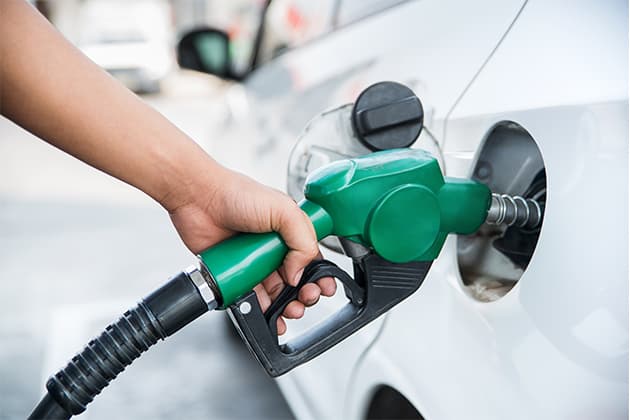
Ethiopia has instructed non-essential civil servants and employees of state-owned enterprises to take annual leave, as authorities scramble to manage a worsening fuel shortage that has disrupted transportation nationwide.
The directive, issued this week, aims to curb fuel consumption by reducing daily commuting, as diesel supplies have dwindled sharply across the country. Long queues stretching for hundreds of vehicles have become a common sight at fuel stations in Addis Ababa and other major cities.
Public institutions are currently identifying essential staff required to maintain operations, while implementing leave for others. Ethio Engineering Group is among the entities that have already begun enforcing the measure.
In an internal notice, the company cited the “critical fuel shortage” affecting public transport services, instructing only key personnel to report to work while others remain on leave. Employees were also advised to rely on commercial transport where possible.
The supply crunch is linked to global disruptions following escalating conflict involving Iran, which has driven up oil prices and strained supply chains. The closure of the Strait of Hormuzm, a key route for global energy shipments, has amplified the crisis, with ripple effects felt across multiple regions.
Oil prices have surged to their highest levels since the COVID-19 pandemic, and analysts warn that crude could exceed $200 per barrel if the conflict persists and supply routes remain blocked.
The impact is particularly severe for Ethiopia, which relies heavily on fuel imports. The country spends more than $4 billion annually on fuel, accounting for nearly a fifth of its total import bill.
Earlier this month, authorities urged the public to conserve fuel and prioritized allocations for critical infrastructure projects, including a new international airport under construction in Bishoftu, which requires an estimated 15 million liters of fuel per month.
Officials have signaled that additional measures may follow as the government seeks to stabilize supply and demand.
In the longer term, policymakers are accelerating plans to reduce dependence on fossil fuels. A recent policy document outlines ambitions to transition the entire public vehicle fleet to electric by 2030, while also encouraging a shift to compressed natural gas (CNG) for public transport operators.
Source: The Reporter Ethiopia


Comments