


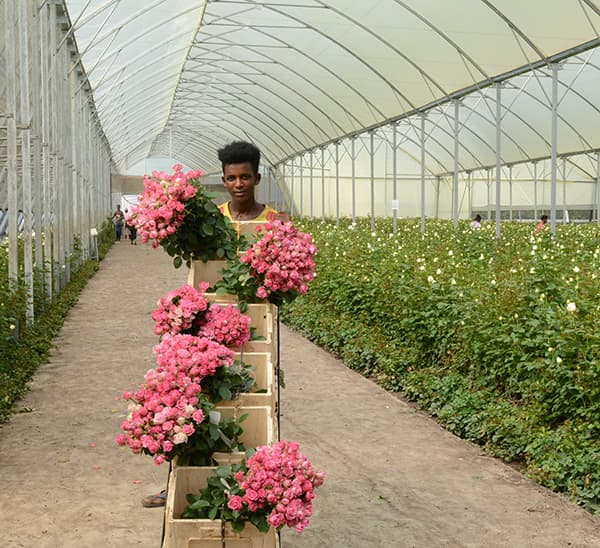
Ethiopia has generated USD 288.48 million from horticulture exports during the first seven months of the current Ethiopian fiscal year, according to the Ministry of Agriculture.
The revenue was earned from the export of 160,317.79 tons of horticultural products, including flowers, fruits, and vegetables. The performance accounts for 70.9 percent of the planned export target for the reporting period.
The figures were presented during a consultative meeting convened by the ministry with relevant government institutions and both local and foreign investors engaged in the horticulture sector. The session reviewed sector performance and discussed strategies to address existing challenges.
Agriculture Minister Addisu Arega stated that horticulture, alongside coffee, remains one of the country’s priority export commodities due to its strategic contribution to foreign exchange earnings.
“The government is committed to addressing bottlenecks that hinder investors and ensuring they can fully operate their farms and facilities,” the minister said.
He added that efforts are underway to boost productivity by strengthening private sector participation and improving coordination within the sector. The minister also urged investors to utilize their allocated land effectively rather than leaving portions idle.
Participants at the meeting raised concerns over infrastructure gaps, logistics constraints, and land supply management, calling for swift interventions to sustain growth momentum.
On his part, Tewodros Zewdie, Executive Director of the Ethiopian Horticulture Producer Exporters Association, said the association is focusing on policy advocacy, capacity building, market linkage, and promoting social and environmental sustainability across the industry.
“Our priority is to enhance the competitiveness of members and foster sustainable growth in the horticulture sector through innovative and practical services,” he said.
The review session underscored the horticulture sector’s expanding role in Ethiopia’s export portfolio and highlighted the need for coordinated action among stakeholders to meet annual export targets.



Comments