



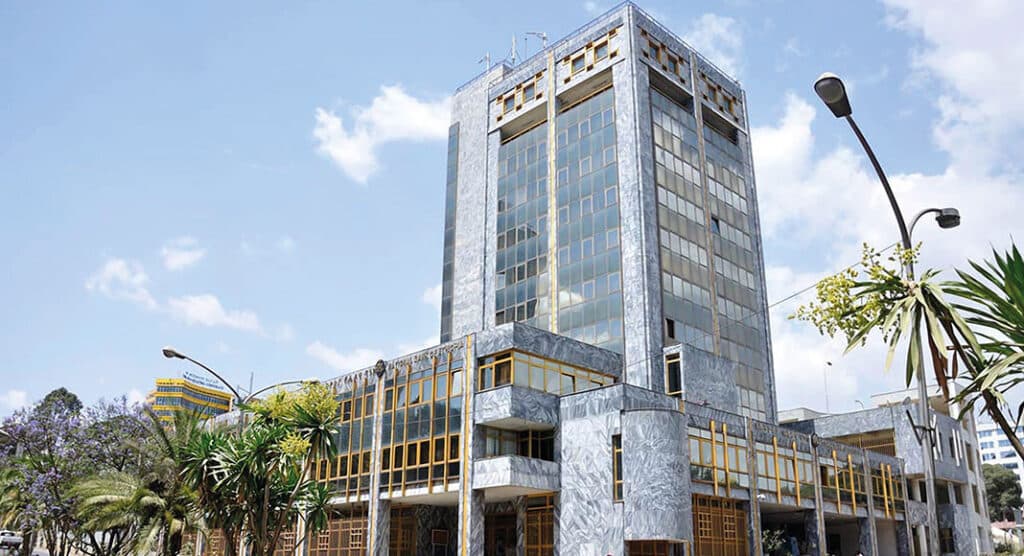
The National Bank of Ethiopia (NBE) kept its key policy settings unchanged on Tuesday, opting to maintain a tight monetary stance as inflation eased into single digits, while cautioning that external shocks could threaten the fragile gains.
In a statement following its sixth Monetary Policy Committee (MPC) meeting, the central bank said annual inflation slowed to 9.7% in February 2026, extending a downward trend that has brought price growth into single-digit territory since December. The disinflation was driven by a combination of restrictive monetary policy, improved fiscal discipline and easing supply pressures.
Food inflation declined to 10.8% from 14.6% a year earlier, while non-food inflation slowed more sharply to 8.1%, indicating broad-based moderation in prices. Month-on-month inflation stood at 0.4% in February, suggesting that price pressures have continued to ease in recent months.
Despite the improvement, the MPC said a tight policy stance remains necessary to secure price stability. It decided to hold the policy rate and maintain existing credit growth caps, while signaling it stands ready to adjust its stance if risks materialize. The committee added it would review economic conditions more frequently and could reconvene before its next scheduled meeting if needed.
Ethiopia’s economy has remained resilient, with real GDP expanding by 9.2% in the 2024/25 fiscal year, above the country’s recent average. Growth has been supported by strong performance in services and a pickup in industrial activity, particularly in mining, where gold exports have surged. High-frequency indicators suggest the momentum has carried into the current fiscal year, aided by ongoing macroeconomic reforms.
The external position has also improved following reforms introduced in July 2024, with the balance of payments shifting into surplus. The central bank attributed this to stronger exports, especially coffee and gold, alongside rising private transfers and improved services and capital inflows.
In the financial sector, the NBE said banks remain broadly stable with low levels of non-performing loans and adequate capital buffers. However, some institutions continue to face liquidity pressures due to high loan-to-deposit ratios. Measures such as the interbank money market and the introduction of a standing lending facility have helped ease short-term strains.
Fiscal policy has remained aligned with monetary tightening, the bank said, noting reduced reliance on central bank financing and increased use of treasury bills. The T-bill market financed a net 136.6 billion birr of the budget deficit in the first seven months of the current fiscal year.
Looking ahead, the MPC warned that rising geopolitical tensions in the Middle East and the resulting increase in global oil prices pose a key risk to the outlook. Higher energy costs could push up inflation, weaken real incomes and tighten financial conditions, particularly in oil-importing economies such as Ethiopia.
While the baseline outlook remains broadly intact, the central bank said the balance of risks has shifted to the downside, underscoring the need to maintain policy vigilance as global uncertainties persist.

Comments