


Ethiopia has taken a giant step toward transforming its agricultural future. On Thursday, Ethiopian Investment Holdings (EIH), the government’s sovereign investment arm, and Nigeria’s Dangote Group signed a landmark shareholders’ agreement to build one of the world’s largest urea fertilizer production complexes in Gode, Somali Regional State.
The $2.5 billion project is designed to change the face of Ethiopian farming. With an annual production capacity of three million metric tons of urea, the Gode complex will rank among the top five largest single-site fertilizer facilities on the planet. For Ethiopia, a country that has long depended on costly fertilizer imports, this deal signals the beginning of a new era: homegrown supply, regional influence, and enhanced food security.
A 60-40 Partnership for Transformation
Under the agreement, Dangote Group will hold a 60% stake, while EIH will retain 40%. The plant’s operations will be fueled by Ethiopia’s own natural gas reserves in the Calub and Hilala fields, transported via a purpose-built pipeline. Beyond urea, the deal paves the way for the production of other ammonia-based fertilizers—including ammonium nitrate and ammonium sulfate—positioning Ethiopia as a future hub of fertilizer production in Africa.
Completion is targeted within 40 months, with project costs capped at $2.5 billion. Thousands of jobs are expected to be created both directly and indirectly, particularly in the Somali Regional State, providing an economic lifeline to one of the country’s least industrialized regions.
Shared Vision for Africa’s Future
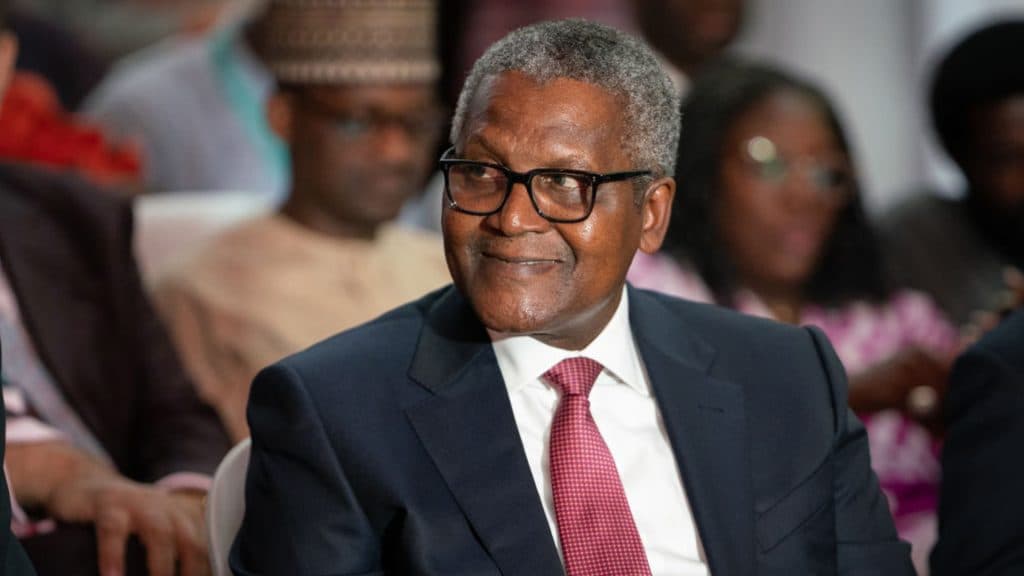
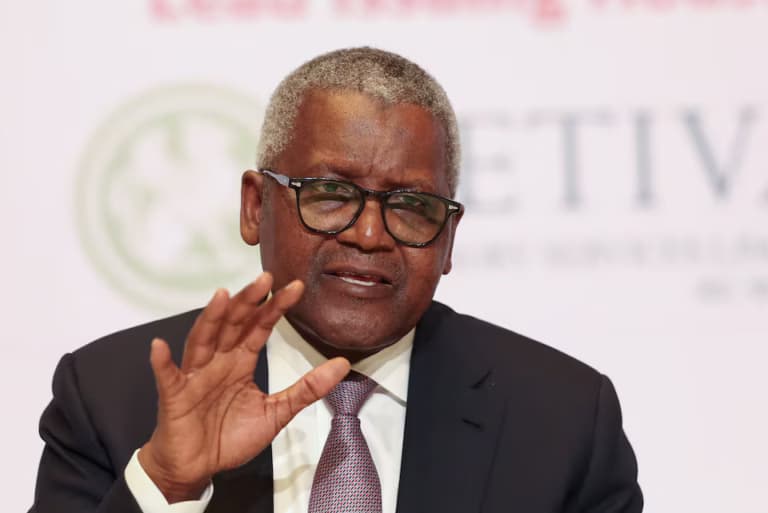
For Aliko Dangote, Chairman of Dangote Group, the project represents more than just an investment.
“This partnership with Ethiopian Investment Holdings represents a pivotal moment in our shared vision to industrialize Africa and achieve food security across the continent,” Dangote said. “The location, the resources, and the scale all make this project one of the most important industrial ventures on the continent.”
Dr. Brook Taye, CEO of EIH, emphasized the national importance of the deal.
“This landmark agreement aligns perfectly with Ethiopia’s development priorities,” he noted. “By leveraging our domestic gas reserves, we are ensuring energy security, cost competitiveness, and long-term value for Ethiopian farmers and the broader economy.”
Strategic Impact: Feeding Ethiopia, Powering a Region
Agriculture remains the backbone of Ethiopia, employing over 70% of its population. Yet the country has long struggled with low yields and high input costs due to its dependence on imported fertilizers. The Gode complex is expected to change that equation by ensuring reliable, affordable access to high-quality fertilizers.
The project also holds regional significance. As East Africa continues to grapple with food security challenges, Ethiopia is now poised to become a net supplier of fertilizer across the continent—supporting not only domestic farmers but also those in neighboring countries.
In many ways, the Gode fertilizer project is more than an industrial venture. It is a statement: Ethiopia intends to move from dependence to self-reliance, from importer to producer, and from a consumer of global goods to a contributor on the world stage.
Source: Ethiopian Investment Holdings

Comments