


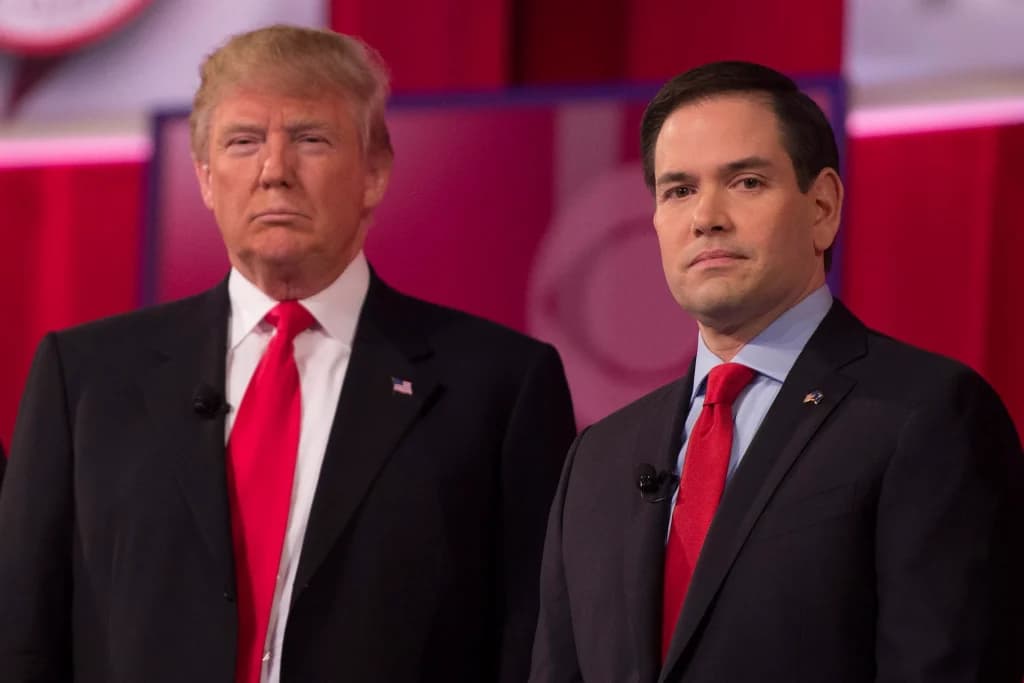
The United States has announced its withdrawal from 66 international organizations following a review conducted under Executive Order 14199, the State Department said on Tuesday.
In a press statement, Secretary of State Marco Rubio said the Trump administration determined that the organizations were “wasteful, ineffective, or harmful,” citing concerns that they are redundant, mismanaged, or operate in ways that conflict with U.S. national interests and sovereignty.
According to Rubio, the decision reflects President Donald Trump’s broader effort to reduce U.S. involvement in what the administration describes as an expanding system of global governance that has drifted away from its original purpose of fostering peace and cooperation.
“President Trump is clear: It is no longer acceptable to be sending these institutions the blood, sweat, and treasure of the American people with little to nothing to show for it,” Rubio said. “The days of billions of dollars in taxpayer money flowing to foreign interests at the expense of our people are over.”
The administration argues that many international organizations have become dominated by ideological agendas, including diversity, equity, and inclusion initiatives, gender-related programs, and climate policies, which it says constrain national sovereignty and fail to align with U.S. priorities. Rubio also criticized what he described as elite multilateral networks of non-governmental organizations, adding that the administration has begun dismantling such structures, including through the closure of USAID.
A list of the 66 organizations affected has been released by the administration, and officials noted that the review of additional international bodies is still ongoing.
Several of the organizations affected play a direct role in Africa’s development architecture, including the UN Economic Commission for Africa (ECA), which is headquartered in Addis Ababa, as well as UNCTAD, UNFPA, UN-Habitat, and major climate bodies such as the UN Framework Convention on Climate Change (UNFCCC) and the Intergovernmental Panel on Climate Change (IPCC).
These institutions influence trade policy, development financing, population programs, urban development, and climate-related support across the continent. Any reduction in U.S. engagement or funding could have spillover effects on policy coordination, technical assistance, and climate finance access for countries such as Ethiopia.
The State Department emphasized that the United States remains open to international cooperation, but only where such engagement directly serves American interests. “We reject inertia and ideology in favor of prudence and purpose,” Rubio said, adding that the U.S. will continue to engage selectively with global institutions it views as effective and aligned with national priorities.


Comments