


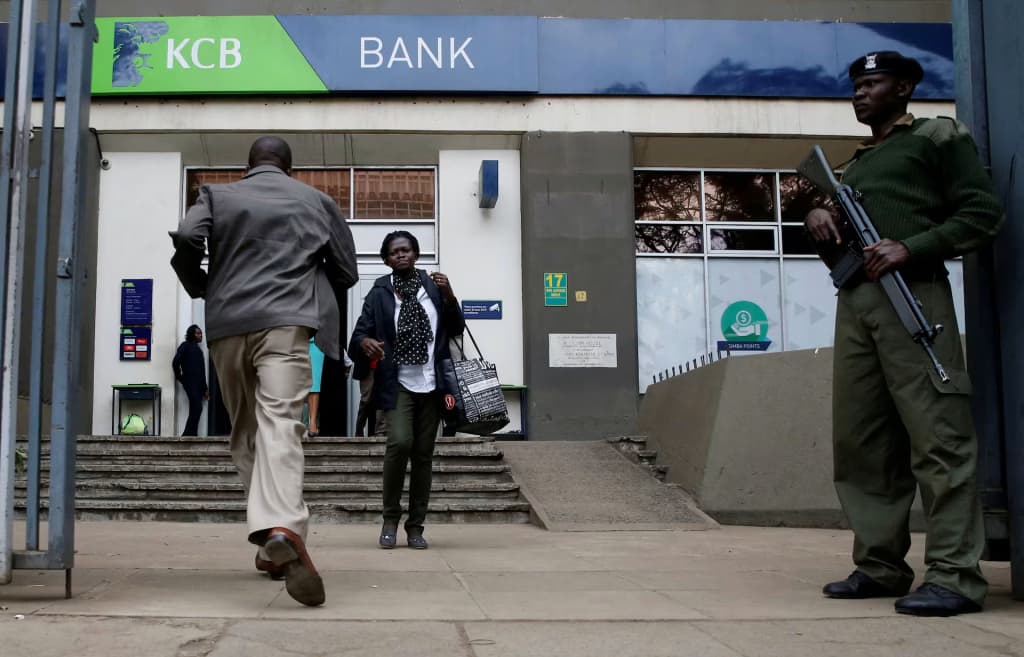
Kenya’s largest lender, KCB Group, is aiming to enter the Ethiopian banking market before the end of 2026 as part of its broader strategy to expand its regional footprint and boost earnings from operations outside Kenya.
The Nairobi-based banking group has been exploring opportunities in Ethiopia following the country’s decision to gradually open its tightly controlled financial sector to foreign lenders. The move follows reforms that allow international banks to establish subsidiaries, open branches, or acquire stakes in domestic institutions under certain ownership limits.
Group CEO Paul Russo said Ethiopia’s large population and relatively low banking penetration make the market attractive despite restrictions on foreign ownership. The current regulatory framework caps foreign ownership in Ethiopian banks at around 40%, while total foreign participation cannot exceed 49%, ensuring local majority control.
KCB has reportedly been in discussions with the National Bank of Ethiopia regarding possible entry options, including acquiring a stake in a local bank or establishing a subsidiary with a domestic partner.
The planned expansion aligns with KCB’s strategy of strengthening its regional presence. The bank already operates subsidiaries across East and Central Africa, including in Rwanda, Uganda, Tanzania, Burundi, South Sudan, and the Democratic Republic of Congo. Regional operations have become increasingly important to the group’s financial performance, contributing a growing share of profits and assets.
Ethiopia’s banking liberalization, part of wider economic reforms, could mark the first entry of foreign banks into the country in decades, potentially increasing competition, expanding digital banking services, and attracting international capital into the sector.
If finalized, KCB’s entry would position it among the first foreign lenders to operate in Ethiopia’s financial sector since the country began opening its banking industry to international participation.


Comments