


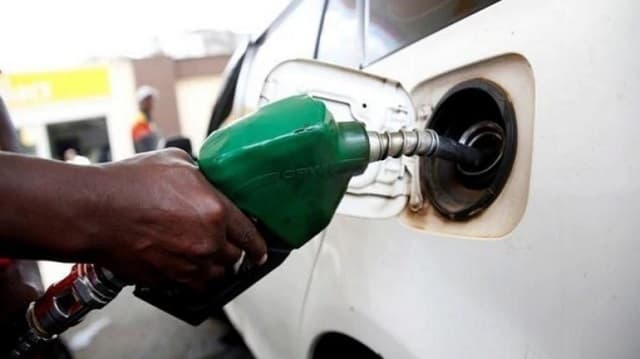
Ethiopia will introduce a combined 30% tax on petroleum products next month, the Ministry of Finance said, as the government accelerates reforms to phase out long-standing fuel subsidies and boost domestic revenue.
The new levy — made up of a 15% value-added tax and a 15% excise duty — will be collected by the Ethiopian Petroleum Supply Enterprise (EPSE). The measure forms part of Ethiopia’s wider fiscal overhaul under the Homegrown Economic Reform Agenda.
Fuel subsidies have been gradually reduced since mid-2022, pushing pump prices higher. Authorities say the latest changes are needed to curb public spending, though they will maintain targeted support for public transport users to shield low-income households.
Under the new directive, EPSE will transfer all fuel-related federal taxes to the Ministry of Revenue. The government aims to reach full cost recovery on petrol and diesel — including statutory taxes — by December 2025.
To manage the shift, the budget for net cash transfers to EPSE will be capped at 30 billion birr in the next fiscal year. Officials say public transport support will be delivered through digital rebates and mobile wallet systems for city and regional bus operators.
Finance Minister Ahmed Shide said domestic tax revenues have failed to keep pace with economic growth, with Ethiopia’s tax-to-GDP ratio remaining below 7%, one of the lowest in Sub-Saharan Africa. The government is also rolling out a Minimum Alternative Tax (MAT) to broaden the tax base and curb evasion.
The MAT has drawn criticism from businesses, many of which argue it has effectively become applicable from the 2024/25 tax year despite legal provisions indicating otherwise. Authorities say the tax is necessary because nearly two-thirds of businesses report no taxable profit.
Economists and consumer groups warn that the new fuel tax could add pressure to households already facing rising living costs. The government, which expects a budget deficit this year, plans to rely on domestic borrowing and support from development partners to manage the impact.
Source: Capital Ethiopia & Read Original here


Comments