


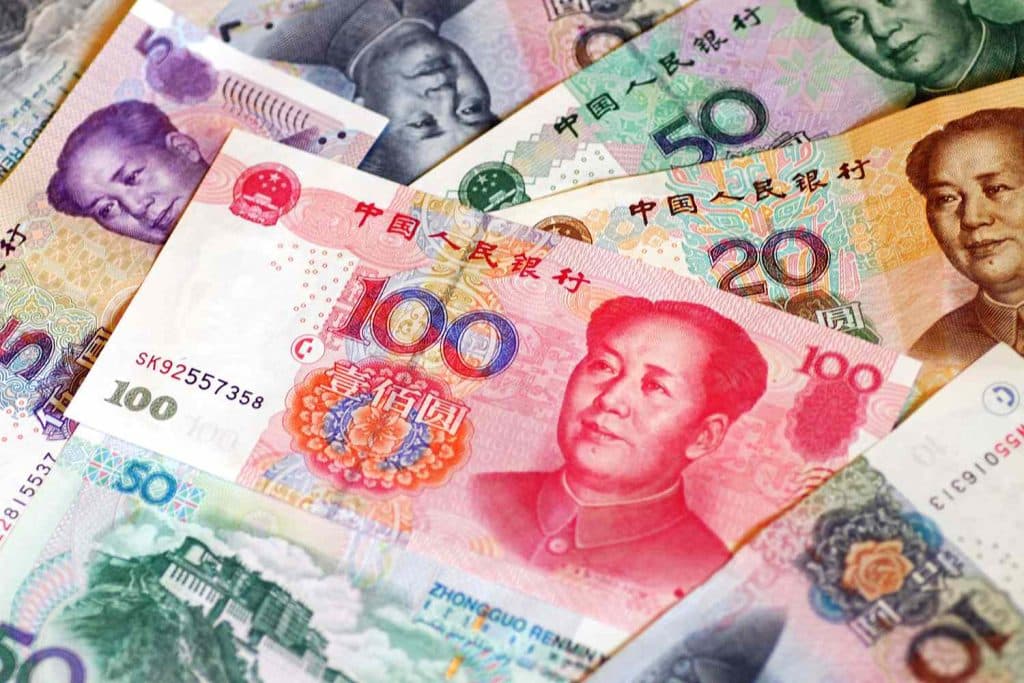
Ethiopia just slid into China’s DMs, economically speaking. The country has started talks to convert part of the $5.38 billion it owes Beijing from dollar loans to yuan-denominated debt, taking a page out of Kenya’s playbook (and probably borrowing its calculator too).
National Bank Governor Eyob Tekalign told Bloomberg that a currency swap “makes sense” given how much trade and investment Ethiopia already does with China. Translation: “We buy enough stuff from you; might as well owe you in your own money.”
The move isn’t just about saving on interest, though that’s definitely part of it. (China’s one-year prime rate sits at 3%, compared to America’s spicy 7.25%.) It’s also another chapter in China’s master plan to make the yuan a global star, with countries like Sri Lanka, Hungary, and Kenya already hopping on board.
Kenya’s recent swap reportedly saves it $215 million a year in interest costs — enough to fund a few national projects and some extra coffee.
Bond Market’s “We’re Back!” Moment
Ethiopia’s dollar bonds jumped 4.3% to 99.69 cents on the dollar, their biggest rally in nearly two years. Apparently, nothing excites investors more than the words “China” and “currency swap.”
IMF Africa Director Abebe Selassie even gave the idea a cautious thumbs-up, saying such deals “yield nontrivial savings” — IMF-speak for “not bad at all.”
But Wait, There’s a Plot Twist
Ethiopia still owes a total of $15 billion and defaulted last year. While it reached a preliminary understanding with official creditors (co-chaired by China and France), talks with Eurobond holders have been trickier. The bondholder committee recently called discussions an “impasse.” Eyob, ever the optimist, called it “progress.” Tomato, tomahto.
He insists Ethiopia just needs to close this chapter and move on — “We’re 130 million people, we’ll need nine or ten more dollar bonds anyway.” Investors, take notes.
De-Dollarization Club, Now Open
As a BRICS member, Ethiopia’s potential shift fits neatly into the bloc’s de-dollarization ambitions — which, depending on who you ask, is either “financial independence” or “poking the dollar bear.”
Either way, if this deal goes through, Ethiopia could become one of Africa’s boldest currency swap pioneers — and Beijing might just have another reason to celebrate its growing yuan-iverse.
Source: Bloomberg


Comments